

Marktpenetratie van scheerkwasten: opkomende markten in Zuidoost-Azië
Shaving Brush Market Penetration: Emerging Opportunities in Southeast Asia's Grooming Landscape
The global shaving brush market is witnessing a notable shift, with Southeast Asia emerging as a high-growth frontier for penetration. As urbanization accelerates and disposable incomes rise across countries like Indonesia, Vietnam, Thailand, and Malaysia, the region’s men’s grooming sector is undergoing a transformation—one that positions shaving brushes as more than a functional tool, but a symbol of refined self-care.
Southeast Asia’s shaving brush market, though still in its nascent stages, is projected to grow at a CAGR of 5.2% between 2023 and 2028, according to industry reports. This growth is fueled by several key drivers. First, the rise of the middle class: in Indonesia, for instance, the middle-class population is expected to reach 141 million by 2030, up from 74 million in 2020. This demographic segment prioritizes quality over cost, seeking products that align with aspirational lifestyles—including premium shaving brushes made from high-grade materials like badger hair or synthetic filaments designed for a smoother lather and gentler shave.
Second, evolving male grooming habits are reshaping demand. Traditionally, many Southeast Asian men favored quick, disposable razors, but a growing focus on skincare and ritualistic grooming is driving a shift toward traditional wet shaving. Social media platforms like Instagram and TikTok, where influencers showcase “barbershop-style” routines, have popularized the use of shaving brushes as part of a “luxury at-home” experience. In Thailand, searches for “wet shaving kit” increased by 37% year-over-year in 2023, with brushes featuring prominently in these queries.
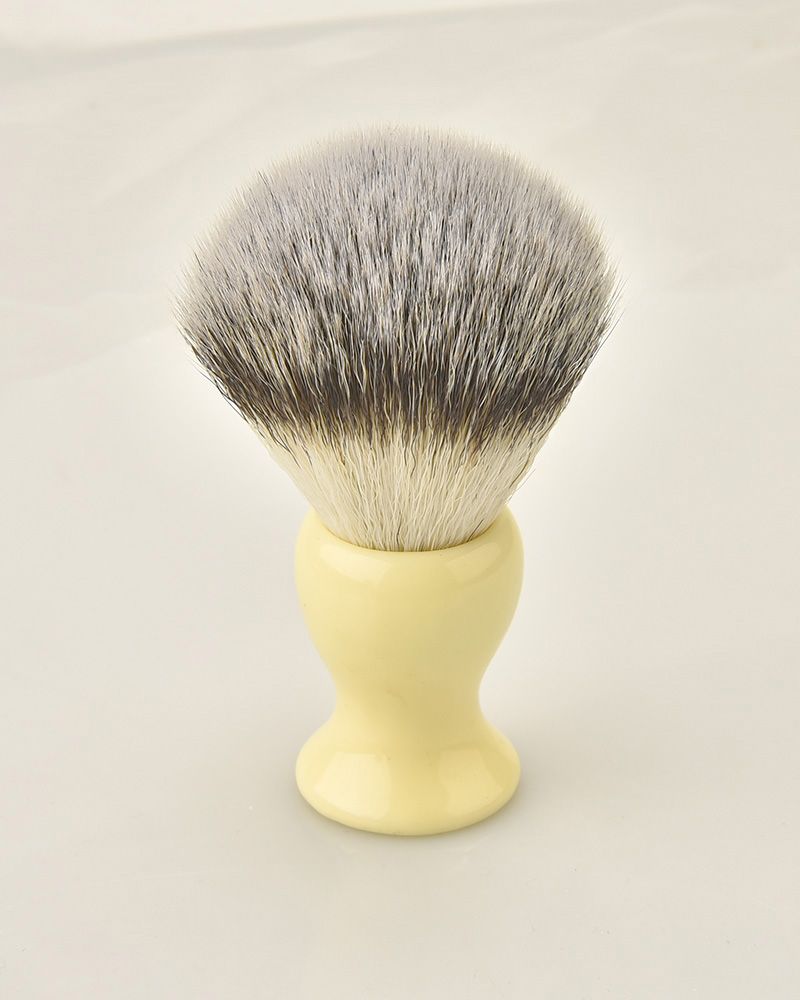
E-commerce penetration is another critical enabler. Platforms like Shopee, Lazada, and Tokopedia dominate Southeast Asia’s digital retail space, offering brands direct access to consumers in tier-2 and tier-3 cities—regions previously underserved by brick-and-mortar stores. Cross-border sales, facilitated by simplified logistics, allow international and local manufacturers to test markets with lower upfront costs. For example, a Singapore-based shaving brand reported a 45% increase in sales to Vietnam via Shopee in 2022, driven by targeted ads highlighting “gentle on sensitive skin” synthetic brush filaments.
However, penetrating Southeast Asia’s market is not without challenges. Cultural nuances play a role: in some regions, men still view shaving as a utilitarian task, making education around the benefits of brushes—such as reducing razor burn and improving lather distribution—essential. Price sensitivity is another hurdle. While premium brushes (priced $20–$50) appeal to urban professionals, cost-conscious consumers in rural areas may opt for low-cost alternatives ($5–$10), pressuring brands to balance quality with affordability. Local competition also looms, as regional manufacturers in China and Vietnam produce budget-friendly brushes, forcing international players to differentiate through innovation, such as eco-friendly handles or cruelty-free synthetic bristles.
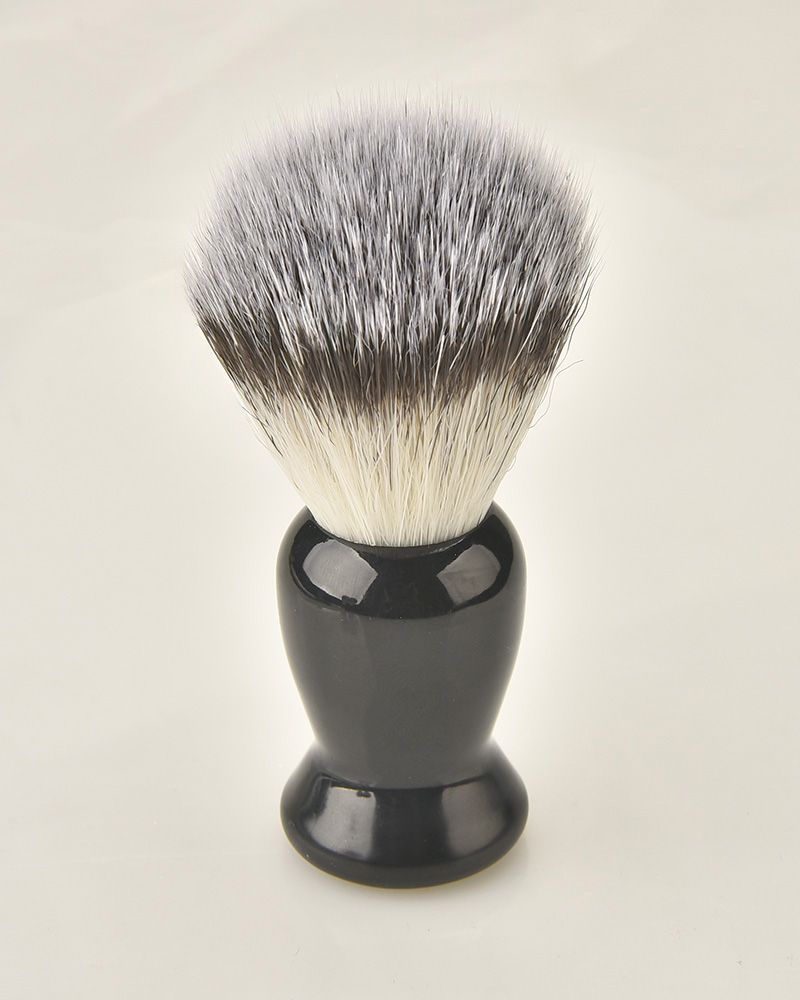
To capitalize on opportunities, brands must adopt localized strategies. Product customization is key: in Indonesia, where natural materials are valued, brushes with bamboo handles or coconut fiber accents resonate with eco-conscious consumers. In Malaysia, halal-certified products are a priority, opening doors for brands that align with Islamic grooming standards. Partnerships with local barbershops and grooming salons can also build trust; offering in-store demos allows consumers to experience the difference a quality brush makes, turning trial into purchase.
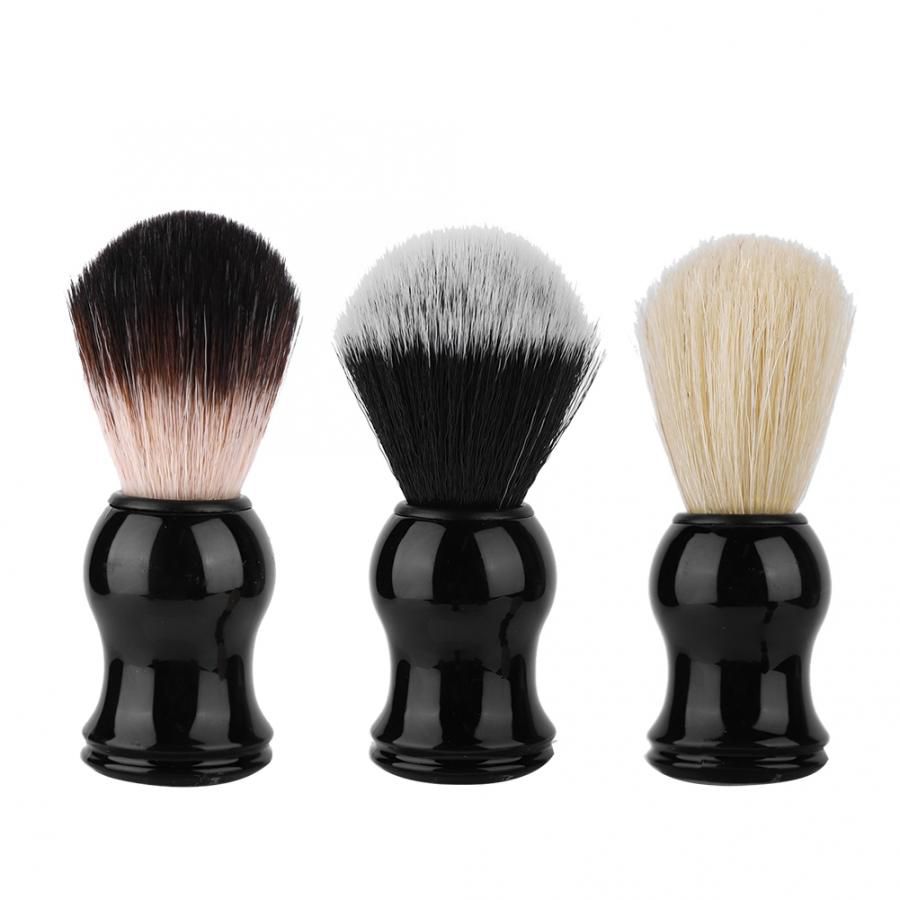
Looking ahead, sustainability will be a defining trend. As Southeast Asia grapples with plastic waste issues, demand for biodegradable handles and recyclable packaging is rising. Brands that emphasize “zero-waste” or “vegan” credentials—such as synthetic brushes made from recycled polyester—are likely to gain an edge. Additionally, the rise of D2C (direct-to-consumer) models, supported by social media marketing, will enable brands to engage directly with consumers, gathering data to refine products and messaging.
In conclusion, Southeast Asia’s shaving brush market is ripe for growth, driven by a confluence of economic development, shifting consumer preferences, and digital innovation. While challenges like cultural barriers and price competition exist, brands that prioritize localization, education, and sustainability stand to carve out a significant share in this emerging landscape. As the region’s men embrace grooming as an act of self-care, the shaving brush is poised to move from a niche product to a staple in the modern bathroom.


